Add Row
Add Element
UPDATE
April 11.2025
2 Minutes Read

Debunking Companion Plant Lists: What Homeowners Need to Know

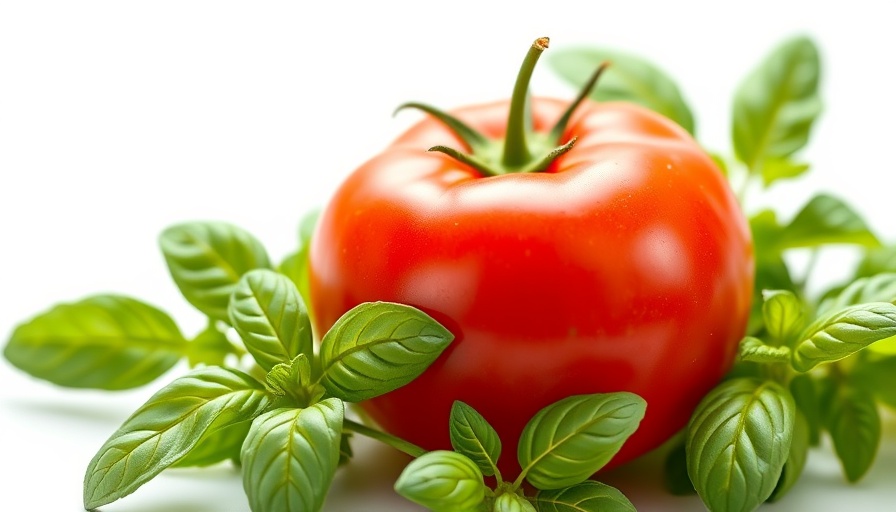
Vibrant tomato with basil indicating companion plant lists.

Understanding Companion Planting: What's Science Behind the Lists?

As a new gardener, you may find yourself drawn to the intriguing world of companion planting. The premise is simple: certain plants may thrive together, offering benefits such as pest resistance and enhanced flavors. Yet, as many seasoned gardeners and researchers point out, the advice often handed down through lists lacks solid scientific backing. It's not just a matter of whimsy; effective gardening relies on understanding complex interactions between plants within the unique environments of our backyards.

The Reality of Plant Pairing

Many popular companion planting guides promote pairings like basil and tomatoes or warn against putting onions and beans together. But the truth is, the research supporting these recommendations is limited. A widely revered source, Carrots Love Tomatoes, has fostered numerous misconceptions in the gardening community. For instance, while it states that carrots and tomatoes are compatible, it should be noted that there are no definitive studies to back this, making it merely an anecdotal reference.

Caution Against Overgeneralization

Details like allelopathy, the phenomenon where one plant may release chemicals harming another, are sometimes exaggerated in these lists. While examples exist—like juglone from walnut trees—the reality for most garden setups is that if plants have ample resources (space, soil, light, and moisture), they typically won't impede each other's growth. This suggests that gardening best practices trump common, oversimplified pairings found in numerous guides.

Research Perspectives: What the Experts Say

Most scientific studies surrounding plant compatibility stem from controlled agricultural environments. These findings often struggle to apply to the variables of home gardens, where soil conditions, sunlight, and moisture differ markedly. For instance, a study examining strawberries grown with borage showed interesting fruit results without a corresponding increase in pollinators. This illustrates that plant interactions are multifaceted and not universally applicable—conditions vary widely even within one's garden.

Solid Practices Over Companion Myths

While companion planting is an appealing concept, prioritizing fundamental gardening practices—like ensuring proper watering, soil health, and sunlight exposure—tends to yield more significant results. Rather than fixating on which plants to pair or avoid, use your growing conditions as a guide. This approach may ultimately serve you better in cultivating a thriving garden.

For homeowners venturing into gardening or looking to refine their practices, being aware of the complexities around companion planting can foster a more informed approach. Stop relying solely on those appealing lists, and sharpen your gardening skills by learning what truly inspires plant growth. Curious to enhance your gardening journey even more? Explore our growing resources on sustainable gardening.

Outdoors

0 Comments

Write A Comment

*
*
Related Posts All Posts

Learn How to Grow Mango from Seed: The Easy Method for Homeowners

Update Unlocking the Secrets of Mango Cultivation from Seed Are you eager to transform your home into a lush oasis, brimming with the sweet scent of tropical fruits? Growing a mango tree from seed can be a delightful journey, and with the right method, you can cultivate this tropical delight even in less-than-ideal climates. Here's your ultimate guide to germinating mango seeds and nurturing them into vibrant houseplants. Gather Your Essential Supplies Before you dive in, ensure you have all the necessary tools at your disposal. You'll need: A ripe mango fruit - the star of your project! A small flower pot with a saucer Organic potting mix suitable for fruit and vegetable growth Reusable paper towels or cloth A pair of safety scissors for delicate cutting The Easy Method: A Step-by-Step Guide 1. **Select Your Mango**: Start by enjoying a ripe mango. The quality of your fruit can dictate the success of your seed. Make sure it’s mature and delicious! 2. **Extract the Seed**: Once you’ve savored the fruit, carefully remove the husk surrounding the seed. Aim to clean any juicy remnants as they can harbor mold. 3. **Prepare for Germination**: After cleaning, let the husk dry for a day or two. Then, cut it open to reveal the seed. 4. **Test the Seed’s Viability**: Wrap your seed in a damp paper towel and place it in a clear, ziplock bag, leaving a corner open for air circulation. Store it in a warm, dark spot for about a week. This method not only quickens the germination process but helps you weed out the seeds that won’t sprout. Providing the Right Conditions As tropical plants, mangoes thrive in warm, sunny environments. Indoor cultivation allows you to maintain control over temperature and lighting, giving your mango plant a fighting chance. Keep it in a bright spot, ideally near a window where it can receive at least 6 hours of sunlight daily. Patience is Key: What to Expect Growing a mango tree from seed isn't an immediate reward. It usually takes around 5 to 8 years for a seed-grown mango tree to bear fruit. However, the joy of tending to your mango as it grows is a rewarding experience in itself. As you nurture this tree, it will enhance the air quality and aesthetics of your home, making it a beautiful addition to your indoor garden. Conclusion: Your Mango Adventure Awaits! Now that you have the tools and knowledge at your fingertips, it’s time to start your mango-growing adventure. Whether you're an experienced gardener or a curious novice, this process promises engagement and growth—both for your plants and your gardening skills. So grab a mango, start planting, and watch your indoor haven flourish!

25 Creative Ways to Reuse Christmas Trees for a Sustainable Home

Update Transform Your Christmas Tree into Garden Gold As the festive season wraps up, countless Christmas trees find their way to the curbside, but what if you could repurpose that tree into something beautiful and useful for your home? Reusing Christmas trees doesn’t just save money; it also embraces sustainability. Around the world, people are finding creative ways to transform what was once a living ornament into practical and artistic pieces. Crafting with Nature: Get Creative! First and foremost, consider the wonderful possibilities for crafting. With a bit of creativity, you can create everything from rustic garden decorations to functional pieces for your home. For example, you can turn sections of the trunk into rustic coasters or decorative wall art. Smaller branches can be fashioned into coat hooks or even whimsical twig gnomes, bringing a touch of nature indoors—all while keeping your home eco-friendly. Gardening Tools from the Old Tree Those old trees can serve as more than just art supplies—they can also enhance your garden’s health. Consider chopping up your tree into mulch or using it to create natural plant supports. The natural materials from your tree can enrich your soil and benefit your plants, making the most out of what you might have otherwise thrown away. Connect with Local Conservation Efforts Besides personal projects, consider connecting with local municipal efforts for tree recycling. Many communities have programs that collect discarded trees to chip into mulch for landscaping or to restore ecosystems along waterways. Participating in or advocating for these initiatives not only helps your community but also paves the way for a more sustainable future. Myth-Busting: What You Can’t Do One of the common misconceptions is that all trees can be disposed of in the same way. It’s essential to recognize that trees treated with chemicals shouldn't be reused in gardens or art projects. Always ensure your tree is free from sprays or toxins. Easy Steps to Begin Your Upcycling Journey Start by assessing your tree's conditions post-holidays. You may want to retain it until spring, allowing it to dry out naturally. Utilize the wood creatively by checking out DIY tutorials. They provide a roadmap for transforming your old tree into treasured items without requiring advanced woodworking skills. The holiday season shouldn’t just end with the festivities; it can extend into your creative projects. Dive into the fun of repurposing your Christmas tree, making both your home and garden a little brighter, all while doing your part for the environment!

Winter Pruning: What Homeowners Need to Know Now

Update Understanding the Importance of Winter Pruning Winter pruning is a vital practice for maintaining the health and aesthetics of your garden’s trees and shrubs. During the dormant season, plants rest and recover, making it an ideal time for selective pruning. By removing dead or damaged branches, homeowners can encourage healthier growth in the spring. This time of year allows for better visibility of structural problems that need addressing, as the absence of foliage allows you to see the branches clearly. Timing is Key: When to Prune? The ideal window for winter pruning typically falls from late winter to early spring. This timeframe allows trees and shrubs to heal effectively from pruning cuts before spring growth begins. Pruning too early can expose young buds to frost damage, so it's crucial to wait until the right moment. For instance, species like birches and maples should be pruned earlier in the winter to minimize sap bleeding, while others can be tended to closer to the onset of spring. Choosing the Right Tools for the Job Using the correct tools is essential for successful winter pruning. Sharp, clean shears and saws help ensure precise cuts that promote swift healing for the plant. Common tools include bypass pruners for small branches, loppers for larger limbs, and pruning saws for the thickest branches. It's important to maintain your tools, sterilizing them between cuts, especially when working with diseased wood, to prevent cross-contamination. Common Mistakes to Avoid While Pruning Even experienced gardeners can make mistakes during winter pruning. Over-pruning is a frequent error that can stress trees and slow their spring recovery. Aim to remove no more than 10-15% of the canopy each year. Furthermore, improper cut placements, such as flush cuts, can expose trees to infections and reduce their resilience. Always make precise cuts just outside the branch collar to promote natural healing processes. Why Homeowners Should Consider Winter Pruning Now Winter pruning not only facilitates healthier plants but also prepares your garden for a vibrant spring. For homeowners looking to maintain their landscape’s beauty while ensuring the longevity of trees and shrubs, understanding how and when to prune is invaluable. Clear, concise pruning guidelines can help sustain aesthetic appeal and combat potential diseases before they take root. Ready to get your garden in shape for spring? Visit your local garden center for tools, resources, and maybe even a quick workshop on effective pruning techniques!

Terms of Service

Privacy Policy

Core Modal Title

Sorry, no results found

You Might Find These Articles Interesting

T
Please Check Your Email
We Will Be Following Up Shortly
*
*
*