Add Row
Add Element
UPDATE
March 27.2025
2 Minutes Read

Is Switching to a New Electric Rate Plan Right for You?

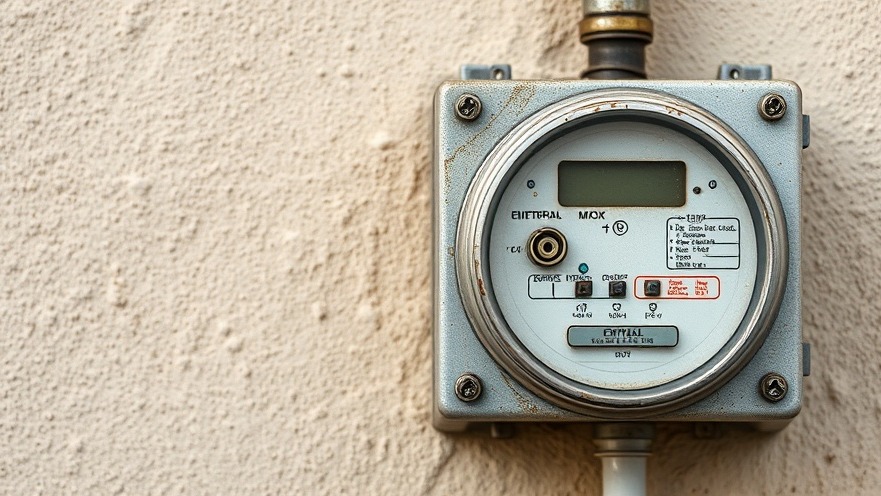
Electricity meter showing energy consumption for time-of-use plans and electricity rates.


Understanding Your Electricity Rate Options

When it comes to managing your energy bills, understanding your electric rate plan is paramount. The cost per kilowatt-hour (kWh) that you pay can vary significantly depending on your chosen plan. While many homeowners are still using traditional fixed-rate plans, alternatives like time-of-use (TOU) plans offer opportunities for savings by charging less during off-peak hours.

Four Steps to Evaluate Your Electric Plan

To determine the best rate option for your household, consider the following steps:

1. Identify Your Current Plan

Your first step is to check which electricity plan you’re currently enrolled in. This might be a fixed rate that charges the same price for electricity throughout the day or a tiered plan that changes pricing after a certain amount of usage. Reviewing your latest bill or the power company’s app will help clarify your current plan.

2. Analyze Your Energy Consumption

The next vital step is reviewing how much energy your household consumes. Accessing detailed energy usage data can inform you about your consumption patterns, revealing whether you could benefit from a flat rate or a plan that rewards lower consumption during specific hours.

3. Explore Available Rate Plans

It’s essential to compare the rate plans offered by your utility company. Depending on your energy usage, options like a flat rate for consistent billing, EV charging discounts, or prepaid plans may suit your lifestyle best. Knowing the default rate is a great starting point for this comparison.

4. Utilize Available Tools

Lastly, take advantage of analytical tools and shadow billing options that utilities often provide. These tools can project how your bills would change under new plans, offering insight on whether switching might be advantageous. Some companies even offer first-year bill protections for new plan customers, ensuring a safe transition.

Seizing the Opportunity to Save

Understanding and evaluating your electric rate options opens the door to potential savings. With various plans tailored to different consumption habits, there’s a high chance that one of them could fit your home’s energy needs perfectly. Don’t hesitate to reach out to your electricity provider for personalized assistance.



Energy Efficiency

0 Comments

Write A Comment

*
*
Related Posts All Posts

Why AI Data Centers Matter: Key Insights for Homeowners

Update The Unstoppable Rise of AI Data Centers: What Homeowners Must Know As artificial intelligence (AI) becomes increasingly integrated into daily life—from voice-activated assistants to complex data analysis—AI data centers are at the core, driving this technological revolution. But while they may seem like distant entities operating behind the scenes, the growth of these data centers has a profound impact on homeowners and communities alike. Power Consumption: The Hidden Costs of AI One of the most pressing concerns surrounding AI data centers is their energy consumption. Current estimates suggest that an AI data center can use as much electricity as 100,000 homes. With the rise of AI workloads, traditional data centers' already high energy use is set to soar. By 2030, it's projected that data centers will account for nearly half of the growth in electricity demand, potentially putting a strain on local power grids. Homeowners might not notice immediate changes in their energy supply, but rising demand can lead to increased electricity costs—something to keep in mind as AI technology progresses. Local Communities: Balancing Benefits and Drawbacks AI data centers are often situated near urban hubs where infrastructure can support their needs. For instance, Northern Virginia has emerged as a global leader in this arena. While these facilities bring economic benefits such as investment and increased tax revenue, they also pose challenges for nearby residents. Issues like rising electricity costs and competition for water resources can arise, creating a delicate balance that local planners must manage. As communities grapple with these changes, it's essential for homeowners to engage in local discussions about AI data centers and their implications. Innovative Solutions to Mitigate Impact The good news is that various solutions are being developed to address the energy needs of AI data centers without overwhelming local resources. For example, a company is designing a 31-megawatt battery system that will allow for quicker deployment while reducing peak demand stress on the grid. Such innovative strategies, including renewable energy contracts and advanced cooling systems, demonstrate the industry's commitment to sustainability and efficiency. As AI technology continues to evolve, understanding how these data centers will shape the energy landscape is vital for homeowners. Staying informed and participating in local energy discussions will empower communities to navigate the ongoing changes effectively.

Discover the Power Grid: Key Insights for Homeowners

Update Understanding the Power Grid: Your Essential Guide When you flip a light switch or switch on your electric stove, you may not realize the complex infrastructure that makes it all possible: the power grid. Comprising millions of miles of power lines, the grid is an engineering marvel designed not just to generate but to deliver electricity to your home efficiently and safely. For homeowners, understanding a few key facts about the power grid can enhance your appreciation for this vital system that powers our lives. Electricity Needs to Be Generated First One fascinating aspect of electricity is that it must be generated before you use it. Unlike water, electricity traditionally hasn't been stored in large quantities, requiring a delicate balance of real-time generation and consumption. This means that every time you turn on a light, electricity is flowing directly from power plants. While renewable energy sources like solar panels and wind farms are changing the landscape, the majority of electricity still comes from fossil fuels. The transition to renewable sources is critical as homes increasingly seek energy independence. The Grid as a Delivery System: How It Works The electricity generated doesn't just appear—it has to travel through a vast highway of transmission lines. This complex network includes high-voltage lines for long distances and lower-voltage lines that take electricity directly to your home. This infrastructure is essential for maintaining the reliability of electricity distribution. Unfortunately, storms or equipment failures can disrupt this flow, causing outages, which is why improvements are vital for modern energy challenges. The Role of Grid Operators: Ensuring Balance A lesser-known fact is that the amount of electricity being generated must constantly match the amount being consumed. This task falls to grid operators, who monitor real-time data to prevent shortages or outages. They are on alert around the clock, using advanced technology to predict demand and effectively manage power plants. Over recent years, the growing use of renewable energy has added complexity to their task, which makes their role even more crucial amid changing energy landscapes. The Benefits of Understanding the Power Grid By grasping these essential components of the power grid, homeowners can take informed actions to enhance their energy efficiency. Understanding how the grid operates not only allows you to appreciate the infrastructure behind your daily activités but also positions you to make choices, such as investing in home energy solutions that can help stabilize the grid, like solar power or battery storage systems. The power grid is not just an invisible force behind daily conveniences; it's a system that requires collective responsibility and understanding. The next time you engage with your electrical devices, think about the intricate web of technology and teamwork that makes it all happen. Staying educated about energy sources and consumption can empower you as a homeowner, contributing to a balanced, efficient, and secure energy future.

Embrace Autumn: Should You Switch to a Time-of-Use Rate Plan?

Update Why Fall is Perfect for Switching to Time-of-Use Rates As the crisp autumn air sets in, it’s not just pumpkins and cozy sweaters that should be on your mind—fall is a fantastic time to think about your energy costs. With the arrival of milder weather, many homeowners have the opportunity to evaluate their energy practices and consider switching to a time-of-use (TOU) rate plan. Understanding Time-of-Use Rates Time-of-Use rates are an innovative aspect of energy pricing that allows homeowners to benefit from lower electricity costs by adjusting their energy usage based on the time of day. Unlike conventional fixed-rate plans, TOU rates vary throughout the day, encouraging off-peak usage during less busy hours to help reduce strain on the power grid. Enjoy Cooler Weather for Flexible Energy Use With fall arriving and summer heat dissipating, your energy usage patterns can shift significantly. On cooler autumn days, homeowners can open windows instead of relying on air conditioning, making it easier to implement energy-saving habits. By running appliances like dishwashers and laundry machines during off-peak hours—often in the early morning or late evening—you can seamlessly integrate cost-saving strategies into your routine. Address Winter Heating Ahead of Time Heating costs can skyrocket over the winter months, especially for those using electric heating systems. A TOU plan can help mitigate these expenses by promoting off-peak usage. As the weather cools, homeowners can optimize their heating schedules, adjusting thermostats to use less energy during peak hours while still maintaining comfort. This proactive approach can lead to significant savings once winter settles in. Smart Home Devices: Your Allies for Energy Savings If you’ve invested in smart home technology, now is an ideal time to leverage those devices for savings. Many smart devices can be programmed to operate during off-peak hours, taking the guesswork out of energy management. For instance, smart thermostats will adjust temperatures based on your TOU plan, ensuring you save energy without sacrificing your comfort. Deciding If TOU is Right For You Before making the switch to a TOU plan, assess your household’s energy habits. If you find it challenging to move energy-intensive tasks away from peak hours, sticking to a traditional rate may be best. However, with a bit of planning and the right tools, many homeowners will find TOU rates advantageous, especially as seasonal patterns shift. Contact your local power company to determine if a TOU rate plan is available in your area and consider how it may align with your energy usage habits. Fall is the perfect time to take action—planning now can lead to considerable savings when heating season arrives.

Terms of Service

Privacy Policy

Core Modal Title

Sorry, no results found

You Might Find These Articles Interesting

T
Please Check Your Email
We Will Be Following Up Shortly
*
*
*