 Add Row
  Add Element
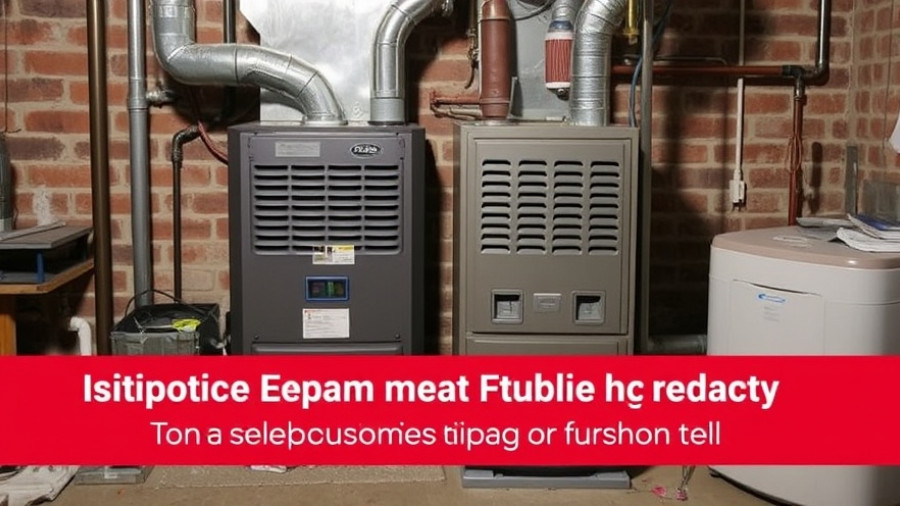
Is Your Old Furnace Costing You More than It's Worth?
As winter settles in and temperatures drop, many homeowners start relying heavily on their furnaces to provide warmth and comfort. But if your furnace is aging and struggling, it might be time to consider its replacement. Here are key indicators that suggest your aging furnace could be costing you up more than just its practical use.
1. Age Matters: When to Consider Replacement
Furnaces generally have a life expectancy of about 15 to 20 years. If your unit is approaching or exceeding this timeframe, it’s prudent to explore replacement options. Not only do newer units operate more efficiently, but they also promise improved comfort levels and potentially lower energy costs, making them a wise investment.
2. Spiking Energy Bills
Have your heating bills been climbing year after year? If your energy consumption hasn't changed but your costs have, it’s a solid sign that your furnace is losing efficiency. Factors such as dirty burners or worn-out components could be forcing your furnace to work harder, which in turn raises your monthly expenses. Transitioning to an energy-efficient model could save you money in the long run.
3. Frequent Repairs: The Cost Comparison
If you’ve found yourself calling HVAC technicians more often than you'd like, it may be a red flag. According to the "50% rule," if a repair costs more than half of a new unit, replacement often becomes the more economical choice. Constant repairs can quickly add up, shifting the financial burden from fixing to replacing.
4. Disconcerting Noises and Uneven Heating
Is your furnace making odd noises or struggling to heat different areas of your home? If you’re experiencing strange sounds like rattles, squeals, or pops, this indicates your old furnace may be at risk of further malfunction. An inefficient system could face temperature fluctuations or cold spots throughout your home—issues that often drive up discomfort levels. If these symptoms are persistent, it may be time to consult with a licensed contractor.
5. Warning Signs of Dangerous Emissions
A blue flame indicates a properly functioning furnace, while a yellow or flickering flame may signal incomplete combustion, posing safety risks such as carbon monoxide leaks. If you notice soot buildup or poor indoor air quality, these could also be signs of an aging unit in need of replacement. Safety and comfort should always come first, and modern systems can offer more than just heat; they can enhance the air quality within your home.
A Call to Action for Homeowners
If you’re facing any of the problems outlined, it’s essential to consult with a professional technician to assess your furnace’s condition. They can offer guidance on the latest energy-efficient models that could serve your home reliably for years to come. Don’t wait until the cold really kicks in; take control of your home’s heating today!


Write A Comment